What Is the Reggio Emilia Approach? How It Supports Creativity & Confidence (0–4 Years)
What if, instead of asking what young children need to be taught, we started by asking what they are already capable of discovering?
This question stayed with Ms Dilshad Lakhani, Nursery Director at Discovery Nursery in Abu Dhabi, after she visited the town of Reggio Emilia in northern Italy.
What she discovered was more than a style of nursery education. It was a different way of thinking about children — as capable, curious and full of potential from the very beginning.
The educational experience of Reggio Emilia has developed over many decades through the city's municipal early childhood education system. Educators, families, citizens and the municipality have all contributed to its development, with educator and pedagogista Loris Malaguzzi becoming one of its most influential figures.
For Ms Dilshad, one idea stood out above all: how adults view the child matters.
Children are not simply recipients of information. They are active participants in their own learning — communicating, investigating, experimenting, creating relationships and developing theories about the world around them.
That experience became an important inspiration for Discovery Nursery in Abu Dhabi.
Today, it continues to influence how we think about our youngest children: as individuals whose ideas, interests and ways of communicating deserve to be noticed, respected and explored.
What Is the Reggio Emilia Approach?
The Reggio Emilia Approach is an educational philosophy that developed through the municipal early childhood education system of Reggio Emilia, Italy.
At its heart is a powerful image of the child: a child with rights, potential and many different ways of thinking, communicating, expressing ideas and learning.
Rather than seeing learning as something that is simply delivered by an adult, the Reggio Emilia philosophy views children as active participants in constructing knowledge through experiences, relationships, investigation, discussion and reflection.
This means educators do more than prepare activities and provide answers.
They:
Observe children's interests and behaviour
Listen carefully to children's ideas and questions
Document children's learning
Reflect on what they observe
Offer materials and experiences that encourage investigation
Extend children's thinking through meaningful interactions
Give children opportunities to revisit and develop their ideas
For children aged 0–4 years, this can be particularly meaningful.
A baby dropping a spoon repeatedly may be exploring sound, movement and cause and effect.
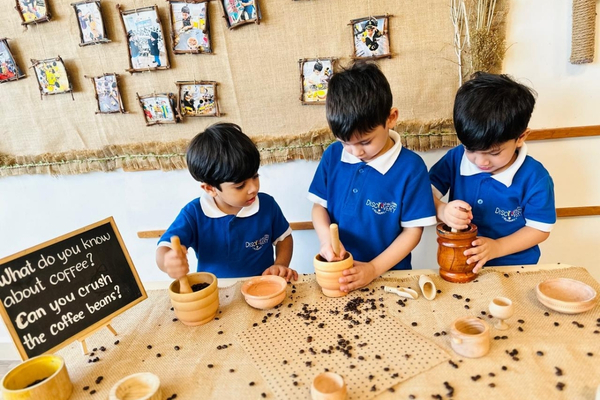
A toddler pouring water between containers may be investigating quantity, movement and what happens when materials behave differently.
A three-year-old collecting leaves may begin noticing colour, shape, texture or changes in nature.
Instead of immediately giving a child an answer, a Reggio-inspired educator might pause and wonder:
What are they trying to discover?
What are they communicating?
What could we offer that might help them explore this further?
The child becomes an active participant in the learning process.
Where Did the Reggio Emilia Approach Come From?
The Reggio Emilia Approach grew from the municipal early childhood education system of Reggio Emilia, a city in northern Italy.
Its development was collective rather than the result of a single educational programme created by one person. Families, educators, citizens and the municipality all played important roles in shaping the city's approach to early childhood education.
Loris Malaguzzi became one of its most influential thinkers and educators. His work helped develop the philosophy's distinctive view of children as capable, curious and rich in potential.
It is important to distinguish between the Reggio Emilia educational experience in Reggio Emilia itself and nurseries elsewhere that are described as Reggio-inspired.
A nursery outside Italy cannot simply reproduce the municipal system of Reggio Emilia. Instead, it can draw inspiration from its principles and adapt them thoughtfully to its own children, educators, families and cultural context.
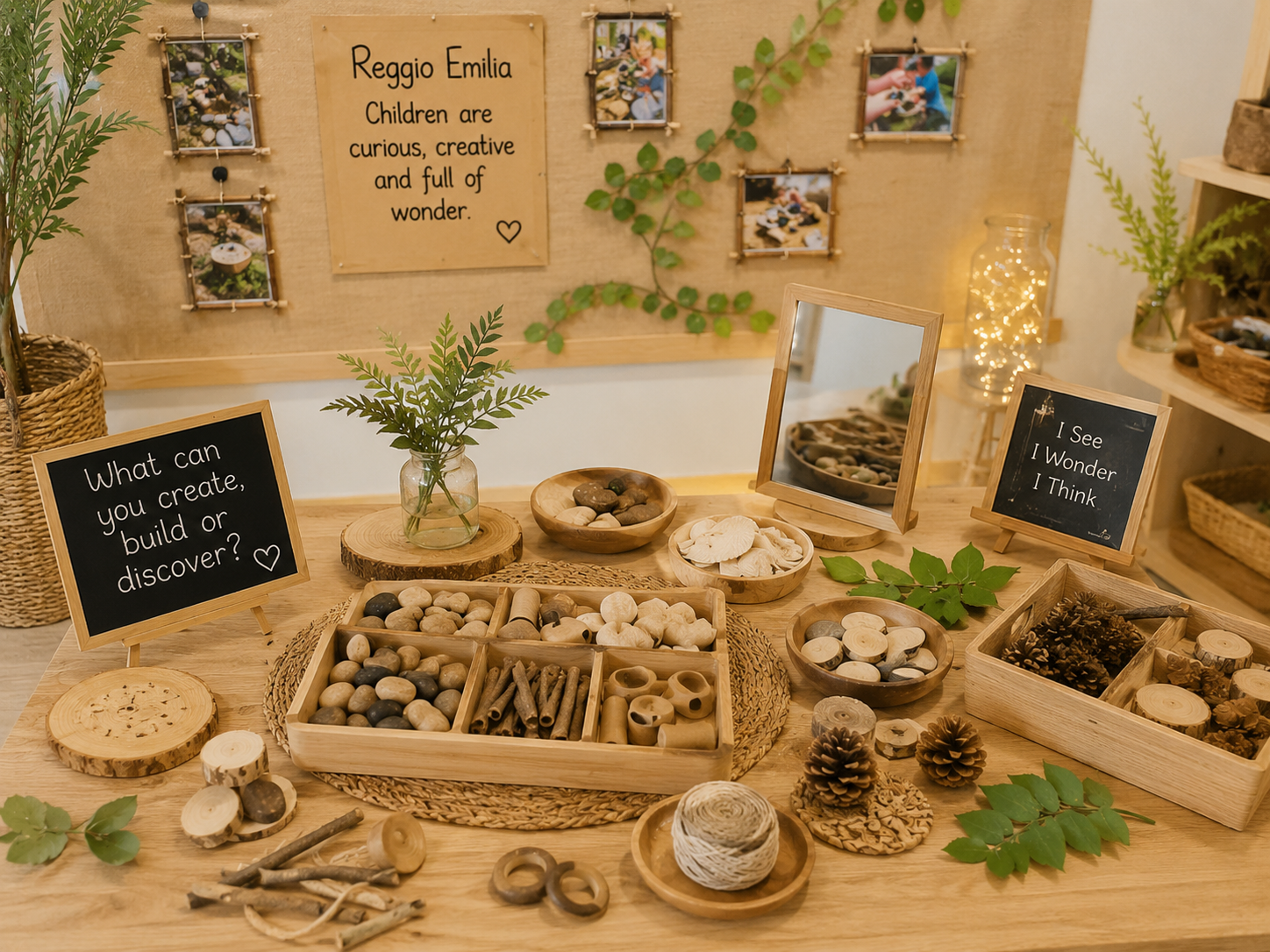
At Discovery Nursery in Abu Dhabi, Reggio Emilia is an important source of inspiration for how we think about children's learning, relationships, environments and individual interests.
What Are the “Hundred Languages” of Children?
One of the most well-known ideas associated with Reggio Emilia is the “hundred languages of children.”
The phrase does not refer literally to one hundred spoken languages.
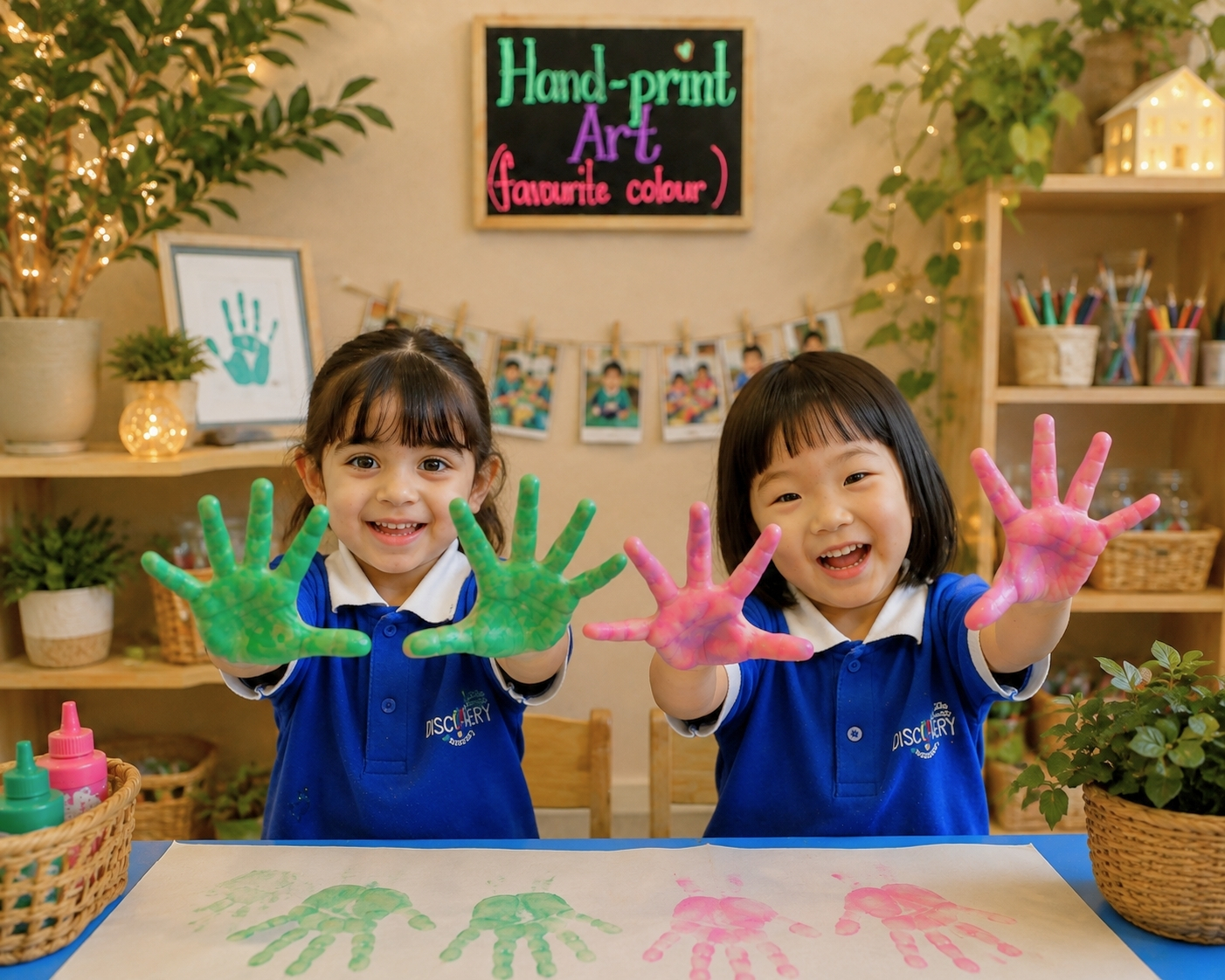
Instead, it describes the many ways children can think, communicate, explore and express what they understand.
Children may communicate through:
Words and sounds
Facial expressions and gestures
Movement and dance
Drawing and painting
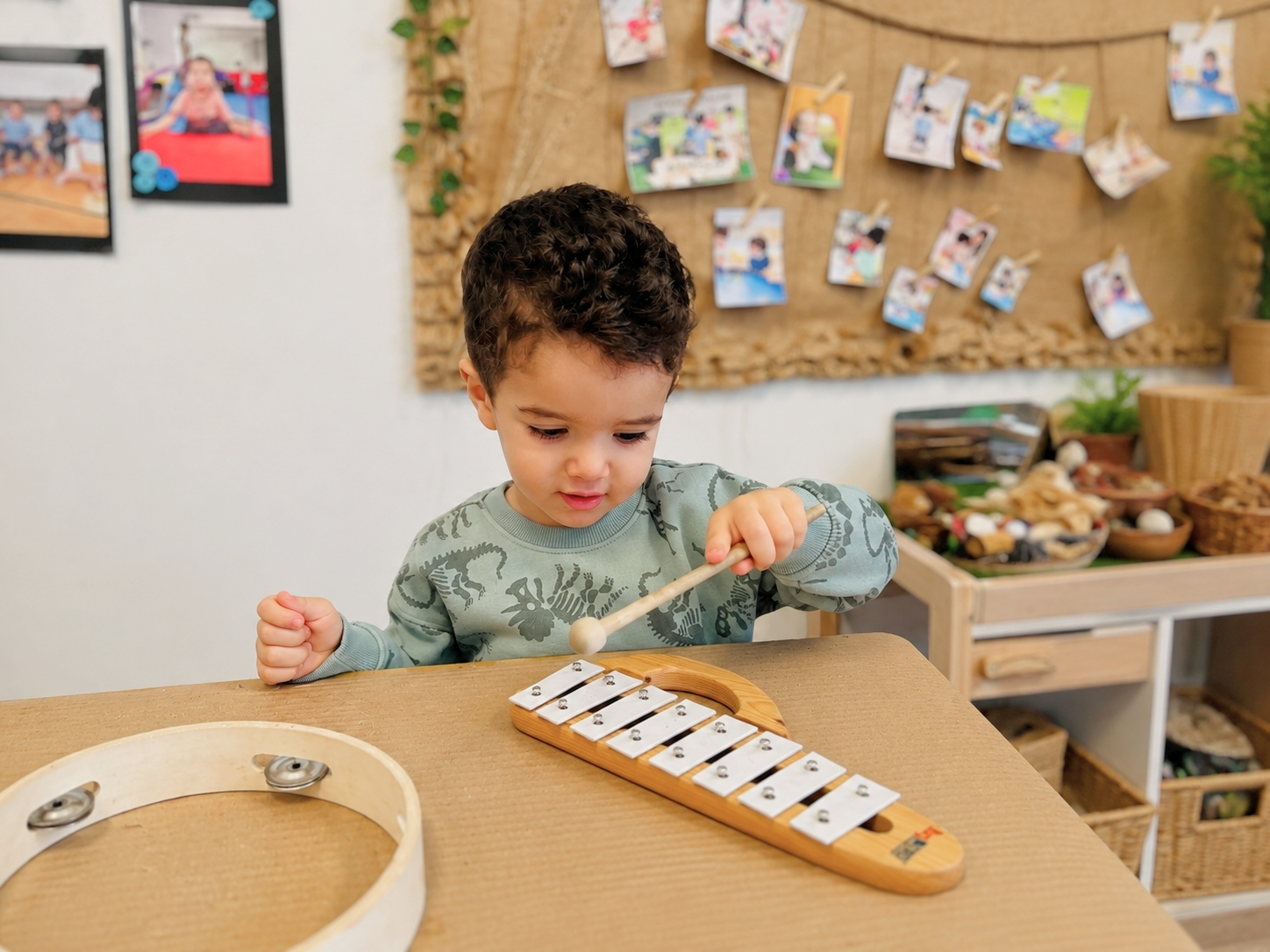
Music
Construction
Dramatic and imaginative play
Clay and other materials
Observation
Storytelling
Repetition and experimentation
For an infant, communication may happen through a look, movement, sound or gesture.
For a toddler, it may happen through pointing, building, pretending, repeating an action or experimenting with objects.
For a three- or four-year-old, it might take the form of drawing, storytelling, construction, role play, questions or increasingly complex explanations about how the world works.
When educators pay attention to these different forms of expression, children learn something important:
There is more than one way to have an idea. There is more than one way to solve a problem. And there is more than one way to express what you know.
This is why creativity in the Reggio Emilia Approach is not simply about making attractive artwork. It is about developing different ways of thinking.
What Does Reggio Emilia Look Like for Children Aged 0–4?
The Reggio Emilia Approach can look different at different stages of early childhood because educators respond to the child's developmental needs, interests and ways of communicating.
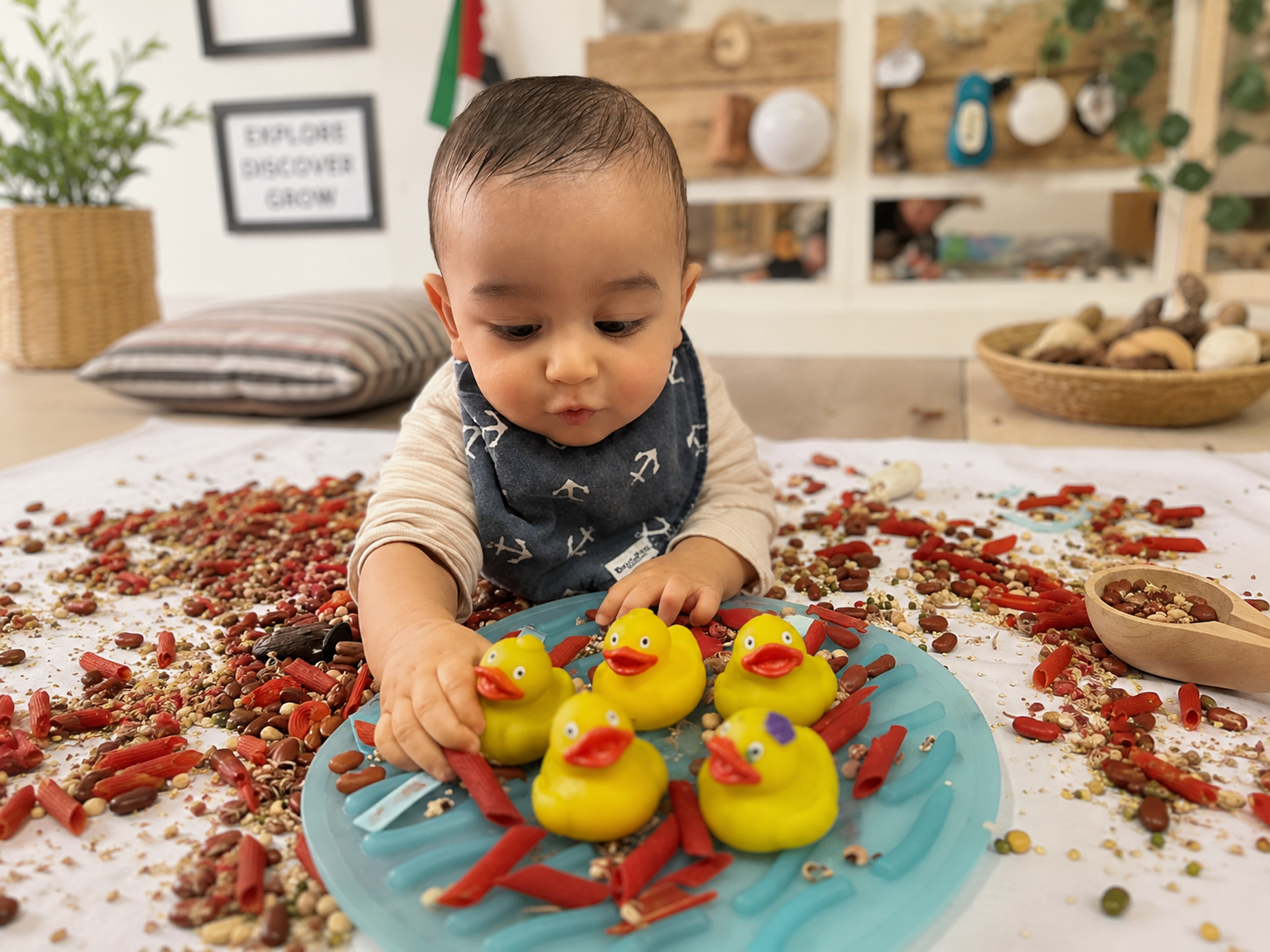
Babies: Exploring Through the Senses
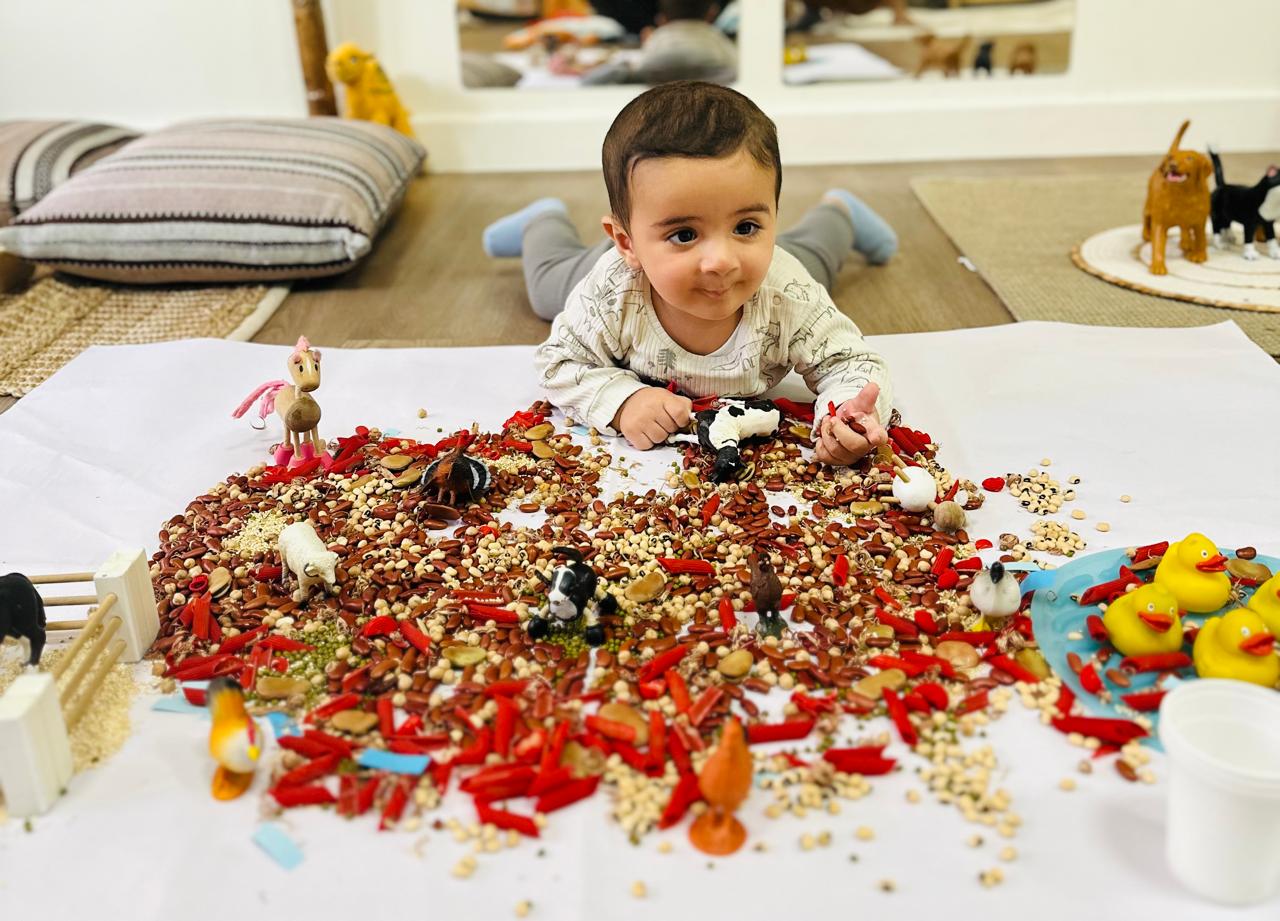
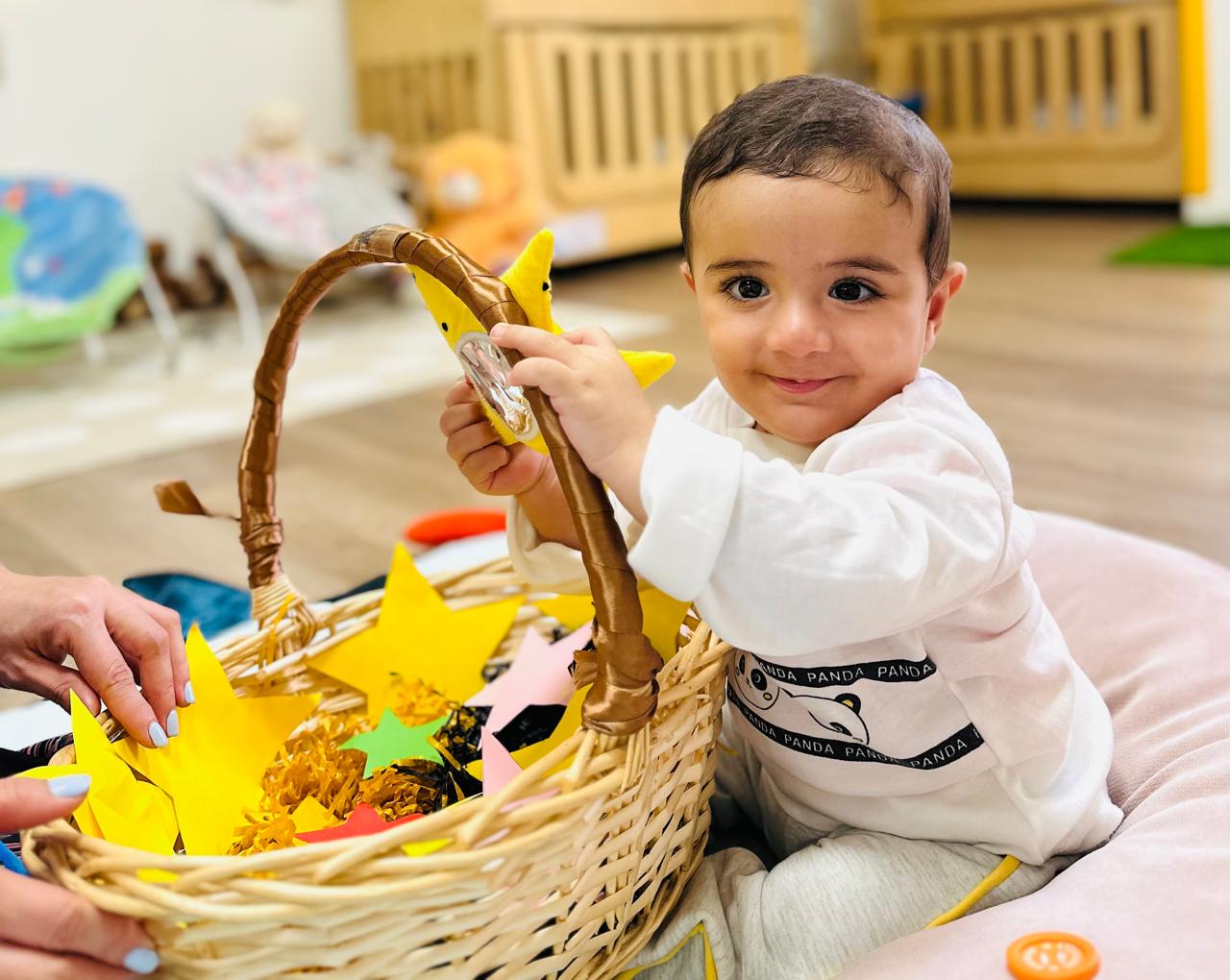
For babies, learning often begins through sensory exploration.
A baby may:
Reach towards an interesting object
Shake or drop something repeatedly
Watch light and shadows
Explore different textures
Respond to familiar voices
Repeat movements that produce an interesting result
These experiences may look simple to adults, but they can involve significant exploration.
An educator's role is to observe carefully, provide a safe environment and respond thoughtfully to the baby's communication.
Toddlers: Repetition, Experimentation and Discovery
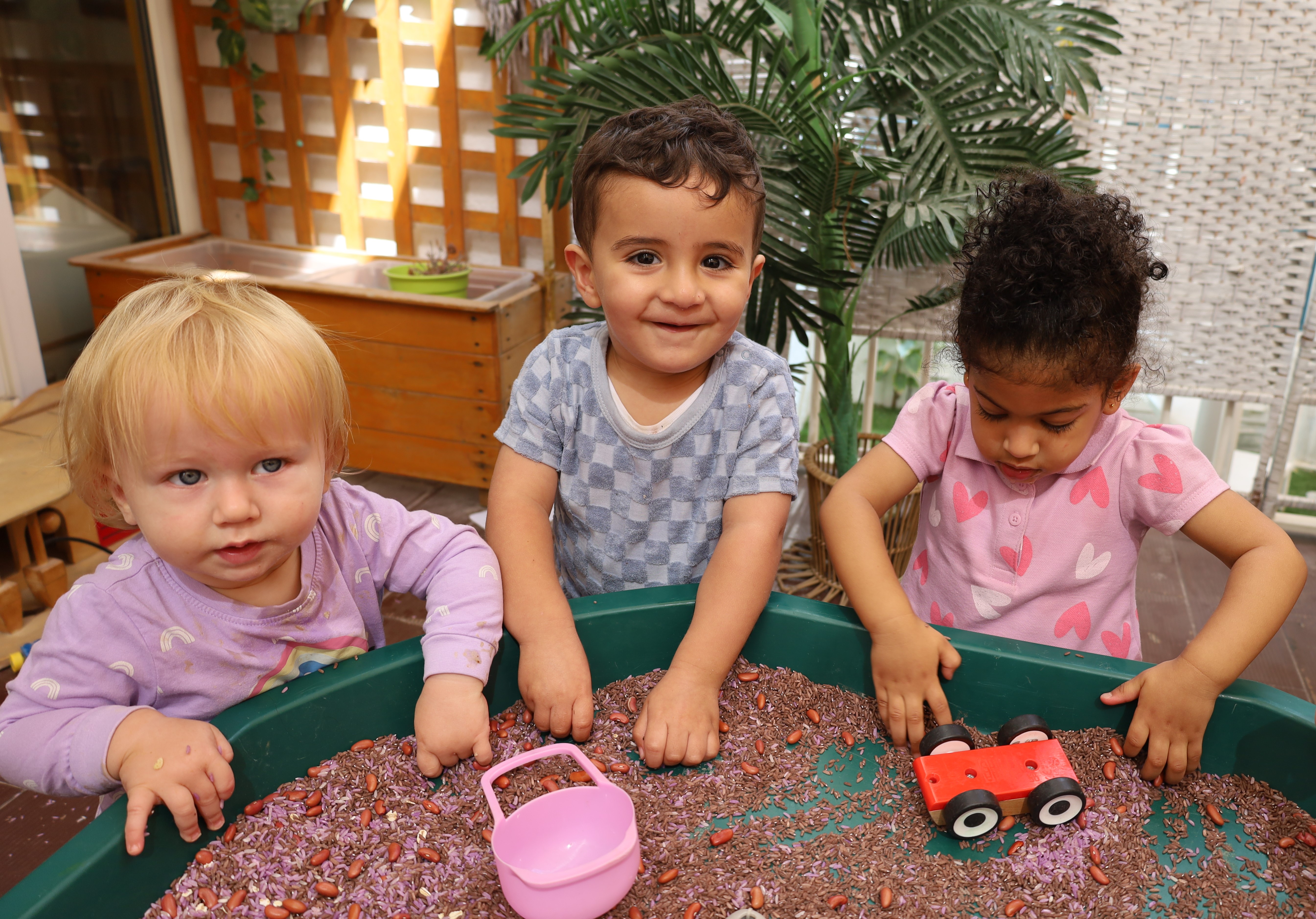
Toddlers often learn through repetition.
They may pour, fill, empty, stack, knock down, carry, sort, hide and rebuild objects again and again.
Rather than stopping the repetition because “we've already done that,” educators can ask what the child might be investigating.
For example, repeated pouring with water might lead to exploration of:
Full and empty
More and less
Heavy and light
Fast and slow
Floating and sinking
A simple action can become the beginning of a much richer investigation.
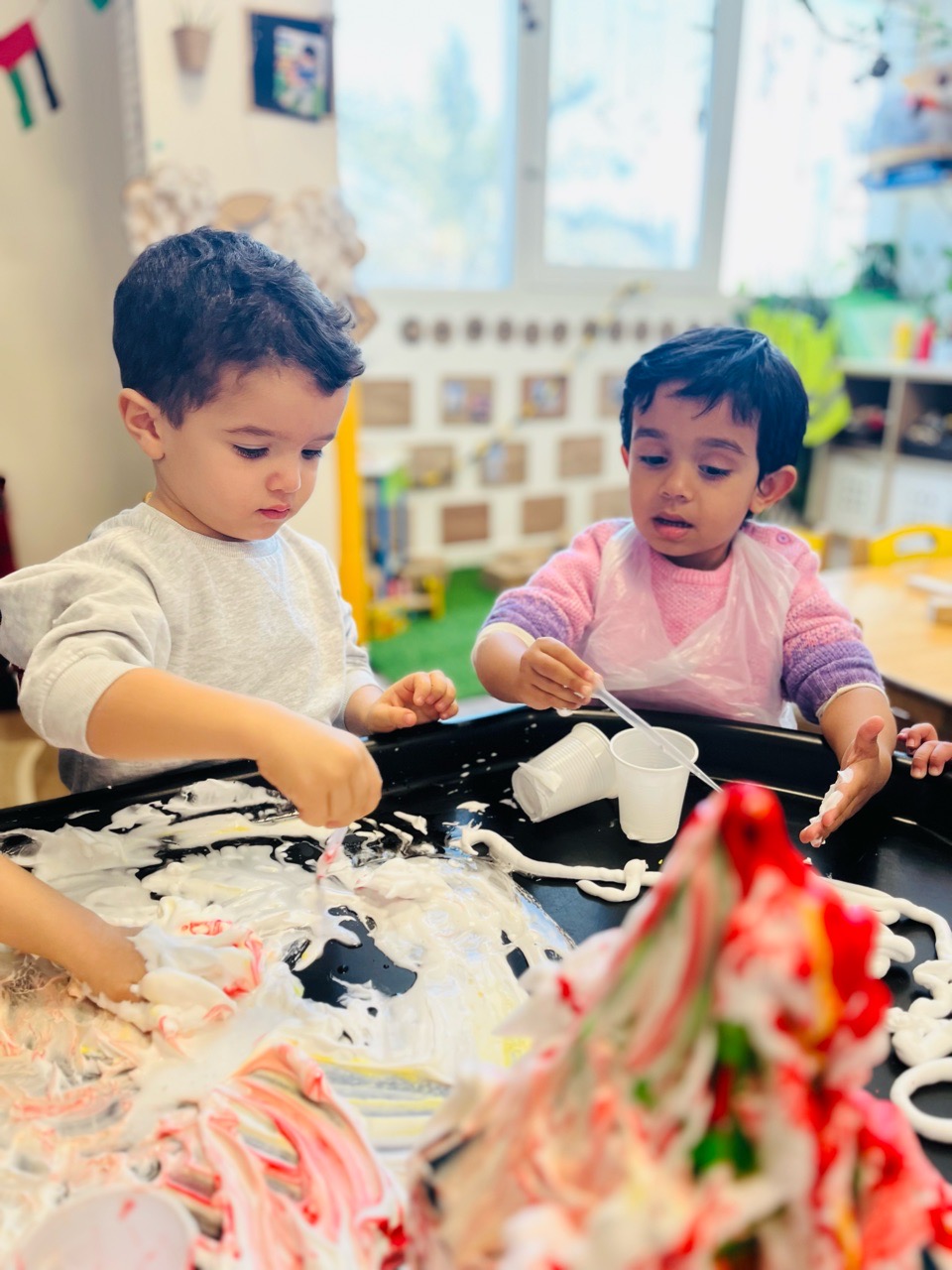
Three- and Four-Year-Olds: Developing Ideas and Theories
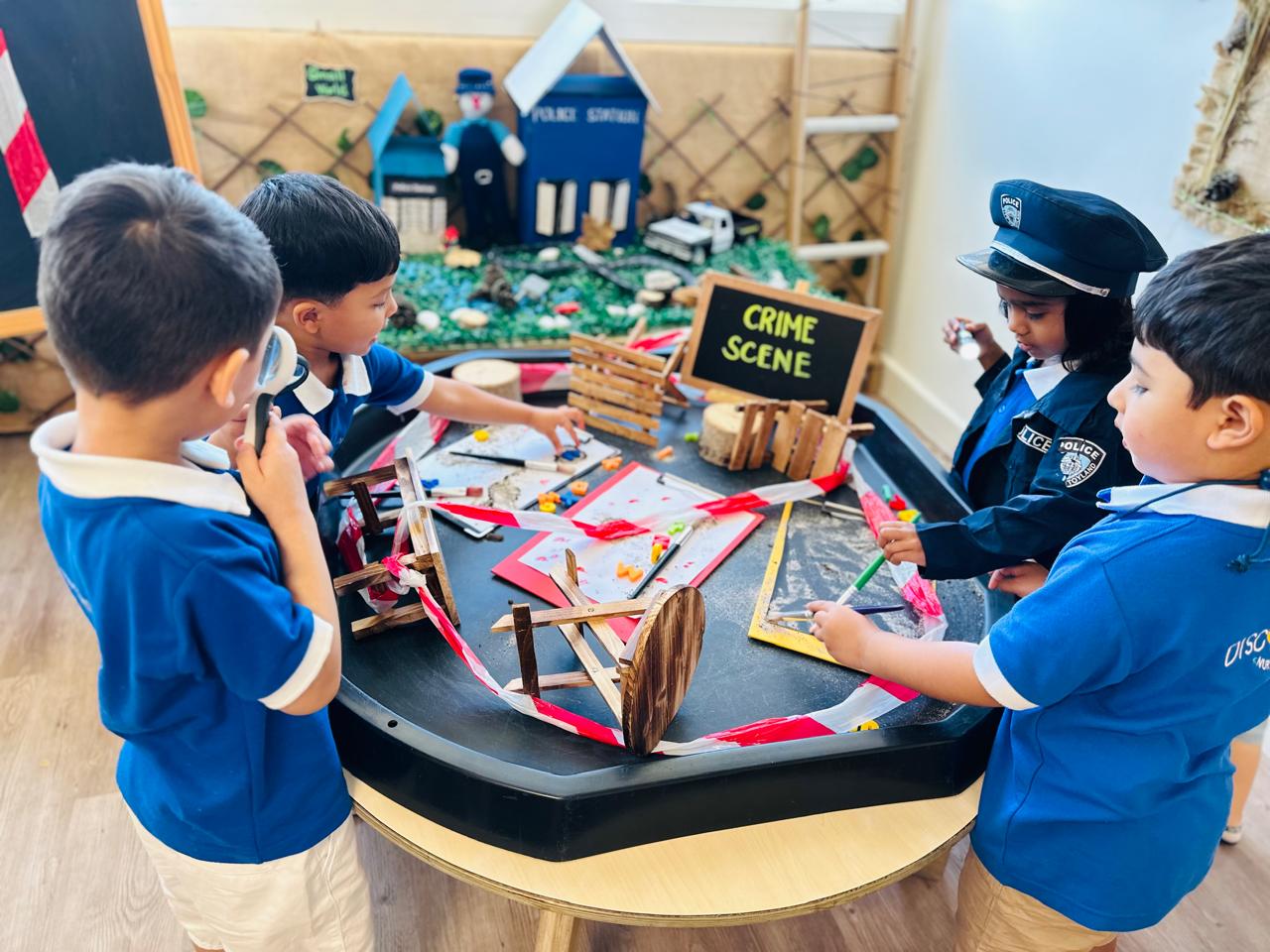
As children become more confident communicators, they may begin expressing increasingly detailed ideas about the world.
A child wondering why leaves change colour might begin drawing leaves, collecting them, comparing different colours, talking with friends and looking closely at changes over time.
The educator does not need to turn this into a predetermined lesson.
Instead, the child's curiosity can help shape what happens next.
The result is learning that has a story behind it.
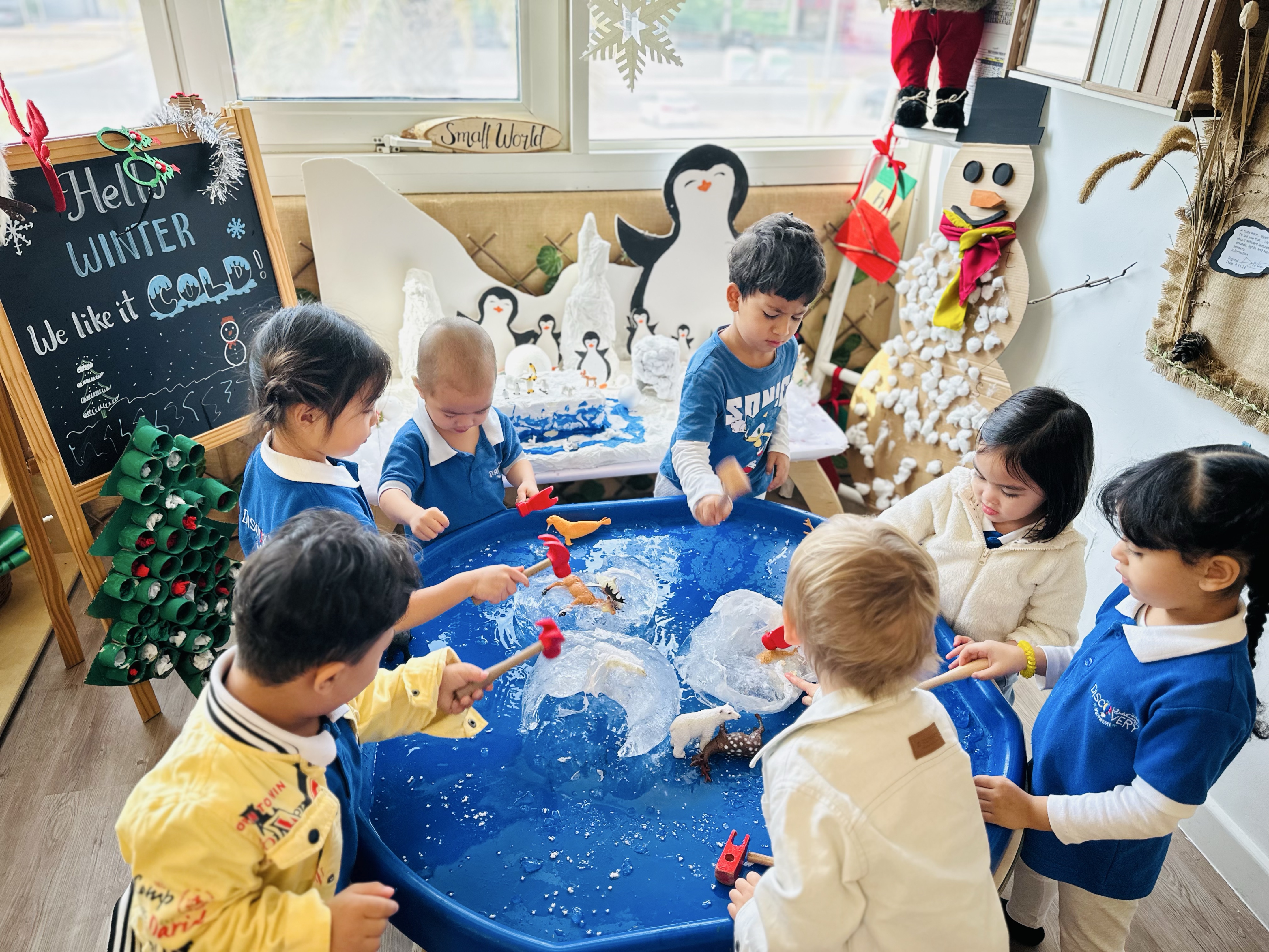
How Does the Reggio Emilia Approach Encourage Creativity?
Creativity in the early years is not about producing perfect artwork.
It is about having opportunities to explore possibilities, make decisions, experiment and discover that there can be more than one solution.
Creativity might look like:
Dropping a spoon to investigate sound
Mixing sand and water to see what changes
Building and rebuilding a tower
Making marks with paint
Exploring light and shadow
Combining everyday materials in unexpected ways
Creating stories through pretend play
Finding different ways to solve a problem
Open-ended materials can be particularly valuable.
Clay does not have to become one particular object.
A collection of stones, leaves or shells might become a pattern, construction, sorting activity or story.
Paint can be an exploration of colour, movement and marks rather than simply an exercise in producing a finished picture.
The important question is not always:
“What did the child make?”
It can be:
“What was the child thinking while they made it?”
That shift encourages experimentation and gives children permission to try something, reconsider it and try again.
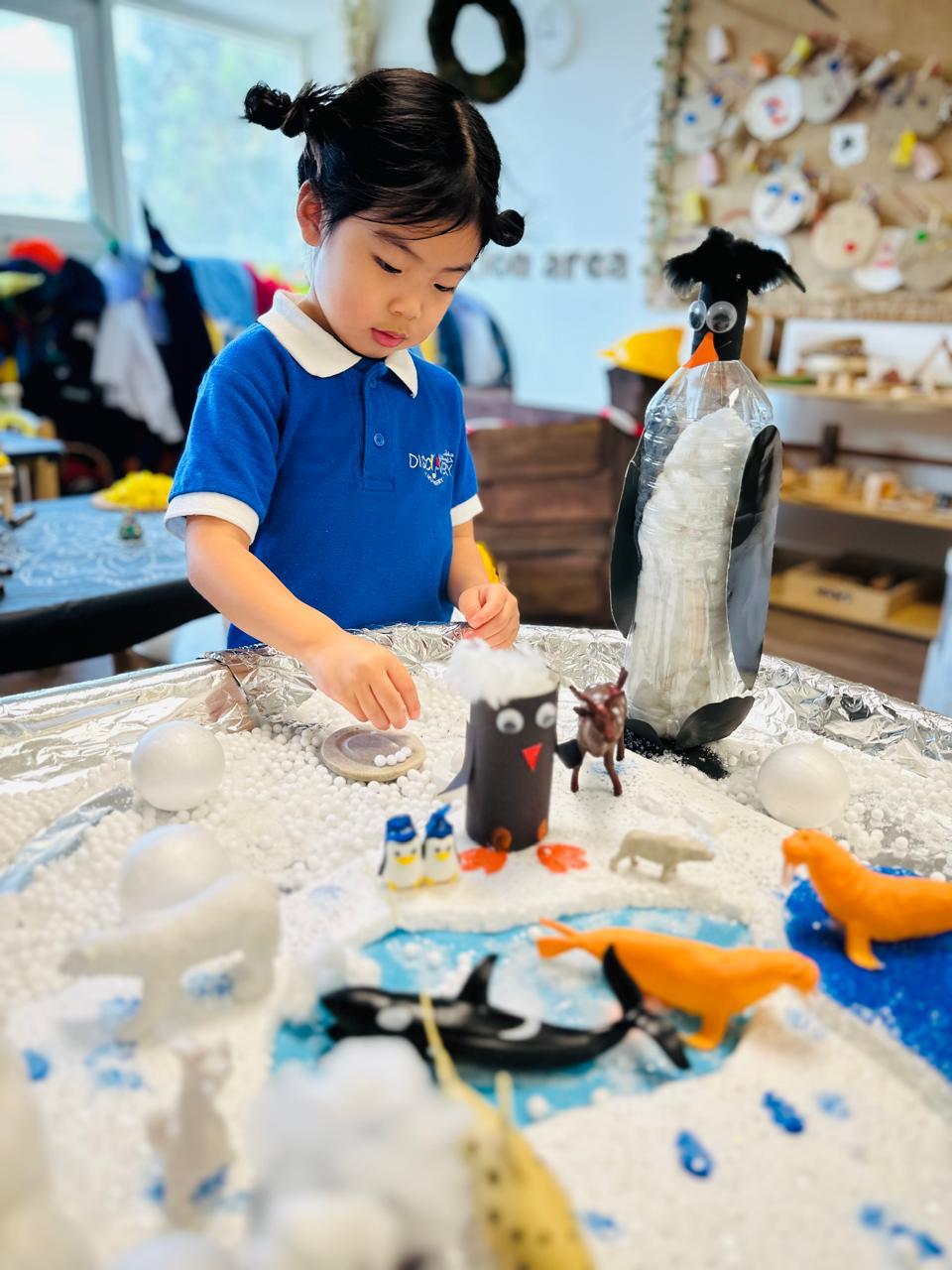
Why Is the Environment Important in Reggio Emilia?
In Reggio Emilia, the environment is often described as “the third teacher.”
This reflects the belief that the physical environment is not simply a backdrop to learning.
The way a space is designed, organised and cared for can influence how children interact, investigate, communicate and develop a sense of belonging.
A thoughtfully designed early years environment can invite children to:
Explore materials independently
Make choices
Work alongside others
Revisit previous ideas
Investigate cause and effect
Express themselves in different ways
Move between quiet and collaborative experiences
For children aged 0–4, the environment needs to reflect their different developmental stages.
Babies need safe opportunities for sensory exploration and movement.
Toddlers benefit from accessible materials that encourage experimentation and repetition.
Older preschool children can increasingly engage with construction, imaginative play, creative materials, collaborative projects and more complex investigations.
The goal is not to create a nursery that simply “looks Reggio.”
It is to create an environment that is purposeful, responsive and meaningful for the children who use it.
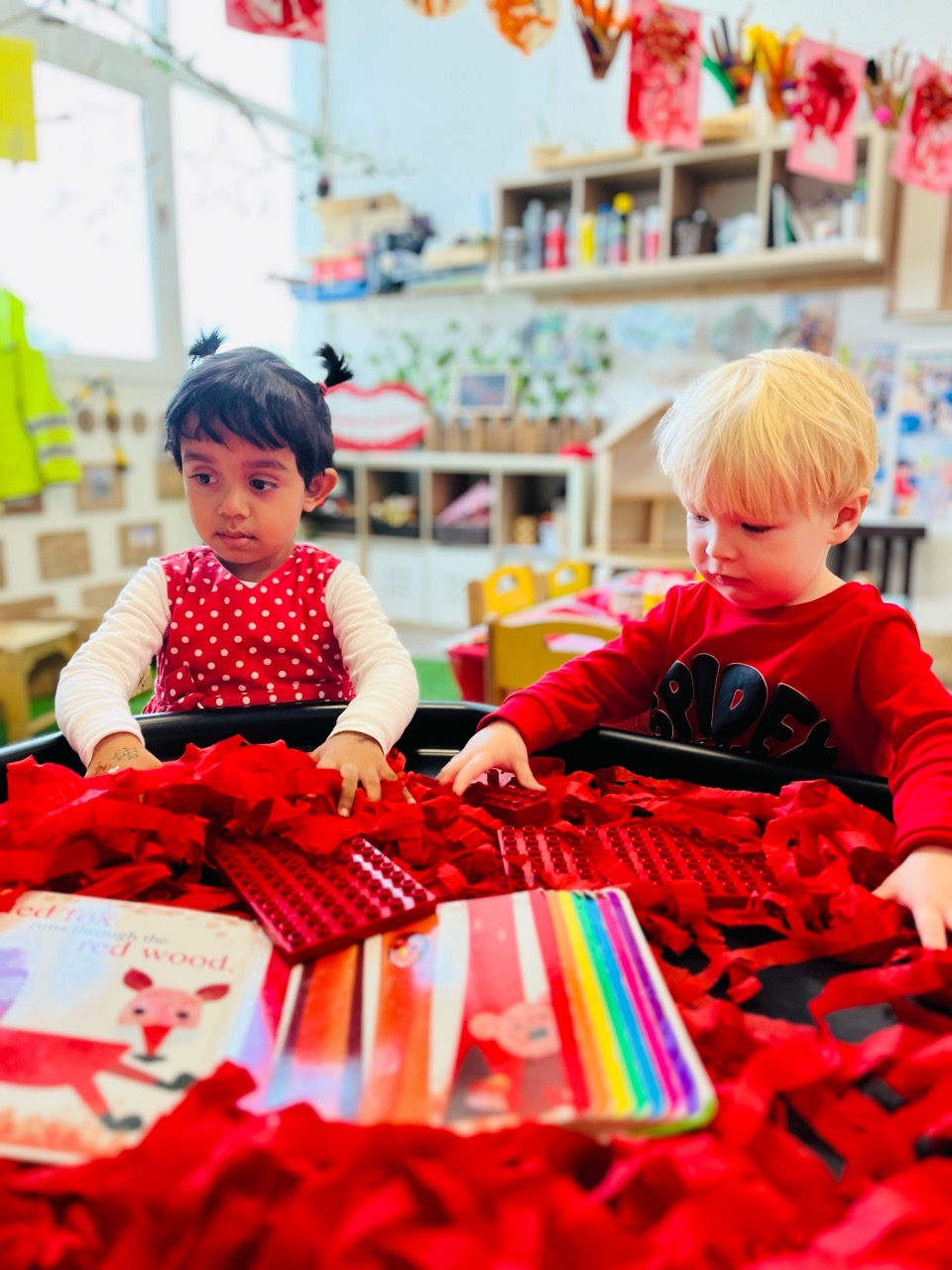
Why Are Relationships So Important in the Reggio Emilia Approach?
Learning in Reggio Emilia is deeply connected to relationships.
Children learn through relationships with educators, other children, families and the wider community.
For a young child, learning might begin with a simple interaction.
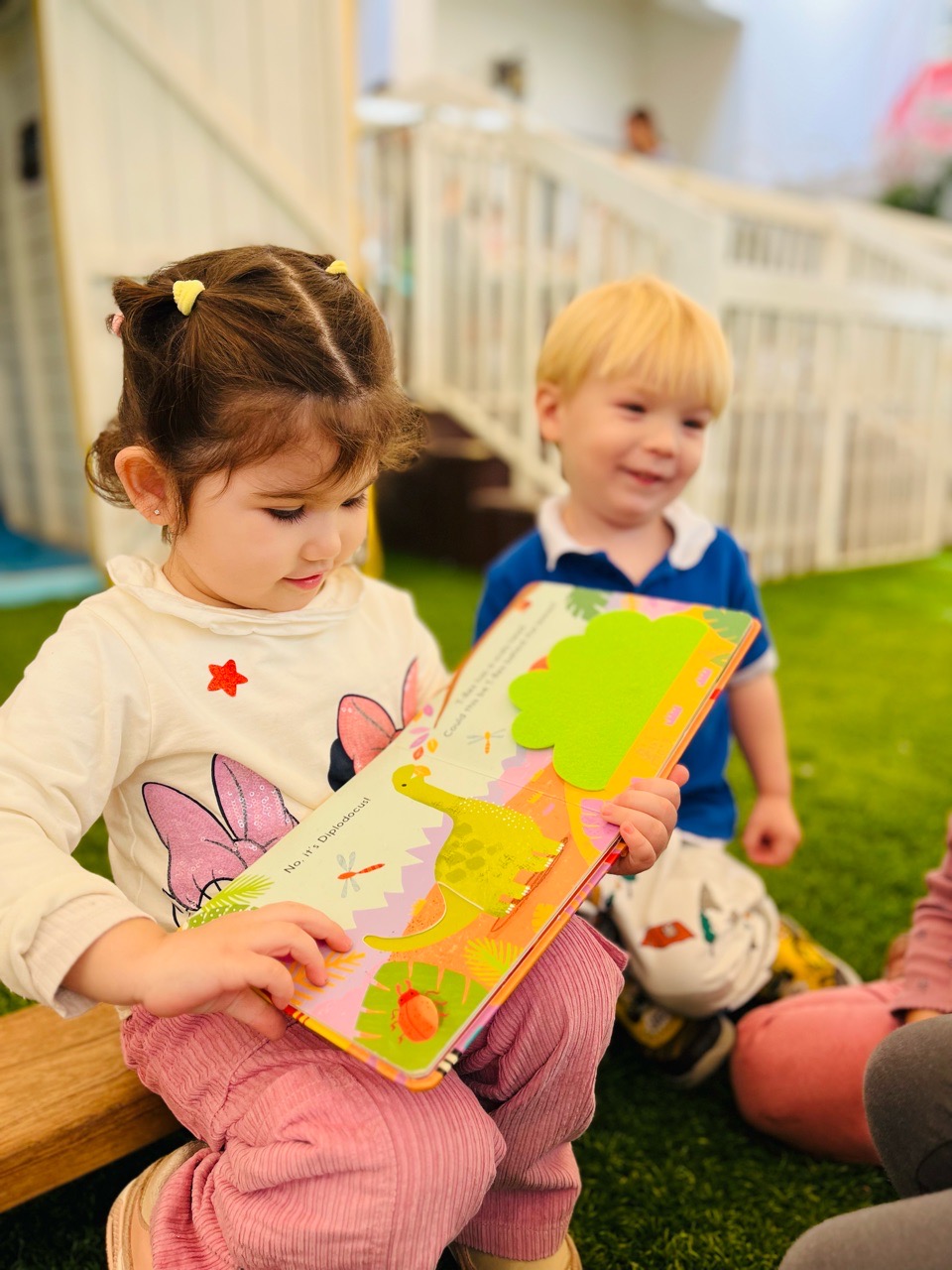
An infant looks towards a familiar educator while exploring something new.
A toddler brings an adult over to show them a discovery.
Two children watch each other building and begin to imitate or adapt one another's ideas.
A four-year-old explains an idea to a friend and listens to another possibility.
These interactions are not separate from learning.
They are part of it.
The educator's role is therefore not simply to provide information. Educators observe, listen, ask thoughtful questions, introduce possibilities and help children develop their ideas.
This creates opportunities for children to experience learning as something they do with other people, rather than something that is simply done to them.
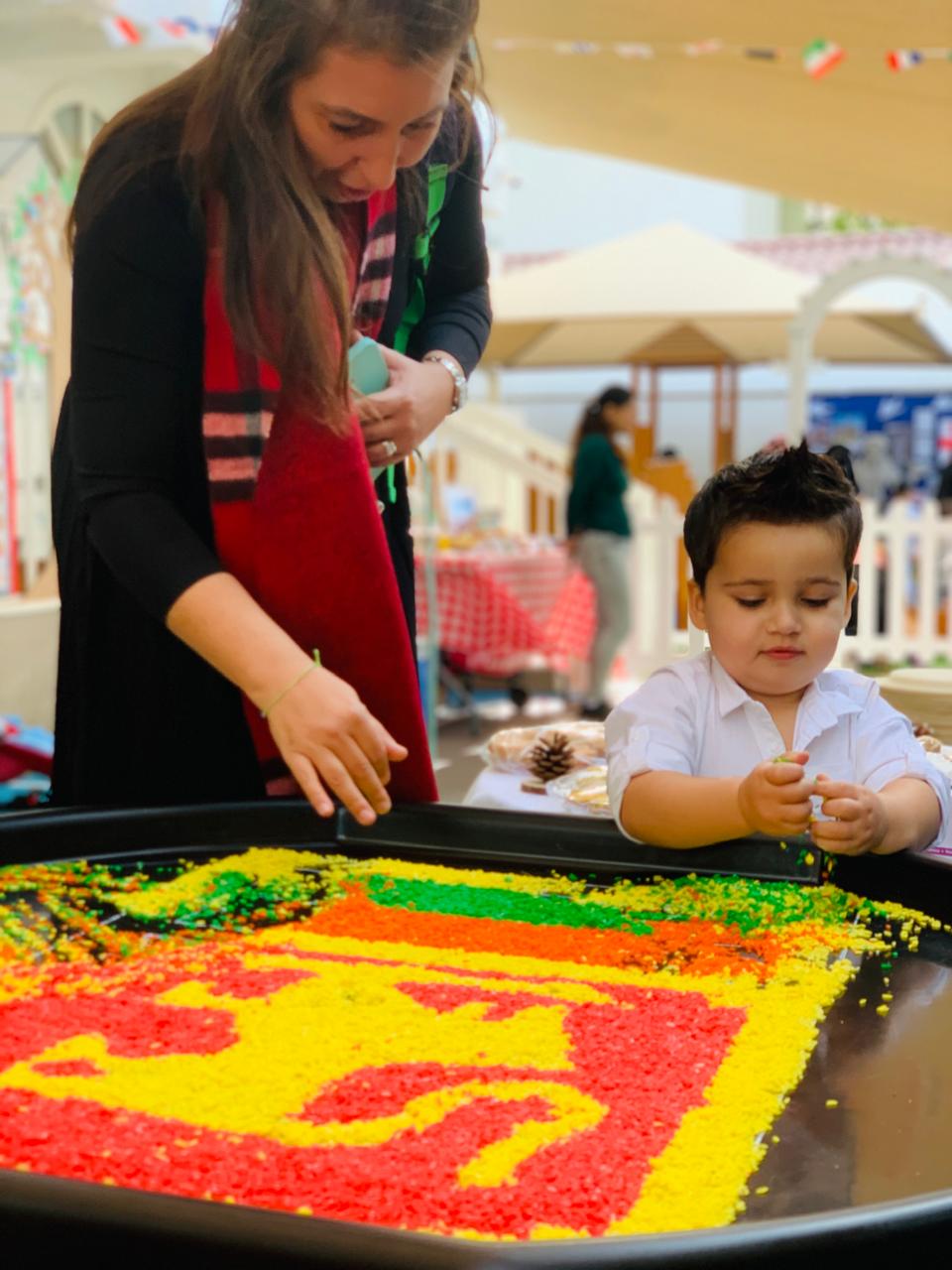
How Does Reggio Emilia Support Children's Confidence?
Confidence in the early years does not come only from praise.
It can develop when children experience themselves as capable participants in their environment.
Children can begin to develop confidence when they:
Feel listened to
Experience respectful relationships
Have opportunities to make choices
Have time to investigate without being rushed
See their ideas and expressions valued
Are encouraged to revisit and develop their thinking
Experience challenges that they can work through
Have opportunities to contribute to a group
When an educator takes a child's idea seriously, the child receives a powerful message:
“What I think matters.”
When a child is given time to try something independently, they can discover:
“I can do this.”
And when something does not work the first time, they can learn:
“I can try another way.”
These experiences help build a sense of agency — the feeling that you can make choices, take action and contribute to your environment.
That is an important foundation for confidence.
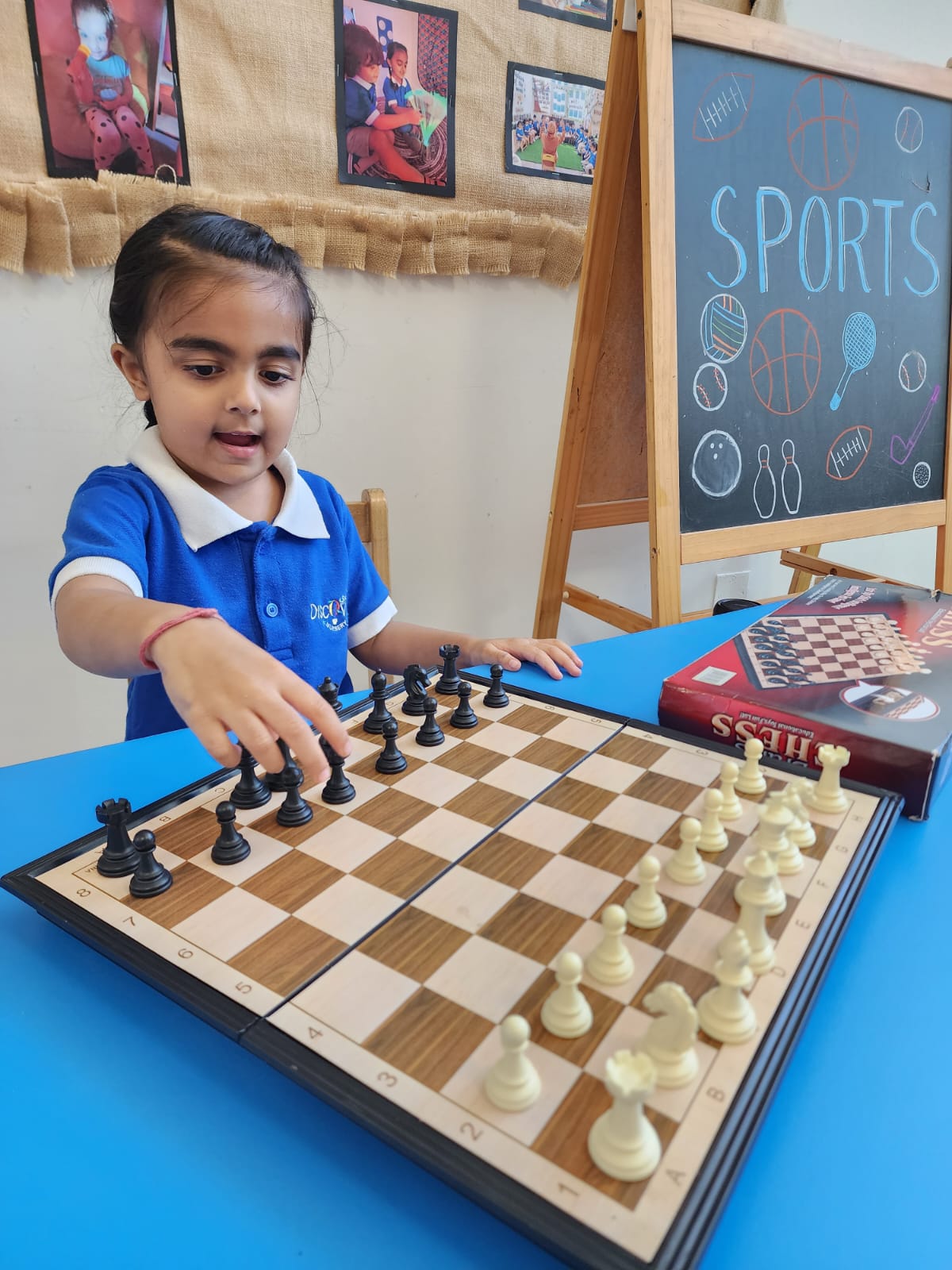
How Does Reggio Emilia Follow Children's Interests?
Following children's interests does not mean allowing children to do whatever they want.
The approach is much more intentional than that.
Educators observe what children repeatedly notice, question, explore or return to. They then use those observations to plan meaningful experiences.
Imagine a group of children becomes fascinated by insects in the garden.
One child might be interested in how an insect moves.
Another might wonder where it lives.
Someone else might notice its wings, colours or patterns.
An educator could respond by offering books, natural materials, drawing opportunities, magnifying tools, conversations or other experiences that help the children investigate further.
The direction develops from the children's curiosity, while the educator remains actively involved.
This is different from simply following a worksheet or asking every child to complete the same craft.
The educator is listening for possibilities.
The child provides the curiosity.
Together, they can develop the investigation.

How Can Parents Use Reggio-Inspired Ideas at Home?
Parents do not need a specially designed classroom to encourage Reggio-inspired learning at home.
Everyday experiences can provide opportunities for children to explore.
1. Follow their interests
If your child keeps collecting stones, asking about shadows or pouring water, take the interest seriously.
Ask what they notice.
2. Offer open-ended materials
Boxes, paper, blocks, natural objects, clay and other everyday materials can often be used in many different ways.
3. Ask questions instead of always giving answers
Rather than immediately explaining what happened, try:
“What do you think?”
“What could we try?”
“What do you notice?”
4. Give children time
Young children often need repetition.
What looks like doing the same activity again may actually be an opportunity to test a new idea.
5. Value the process
Instead of focusing only on whether something looks “right,” talk about what your child discovered, changed or tried.
For example:
“I noticed you tried three different ways to make the tower stand.”
This recognises thinking rather than simply praising the finished result.
How Reggio Emilia Influences Discovery Nursery in Abu Dhabi
For Ms Dilshad, visiting Reggio Emilia was a reminder that early childhood education can begin with a different question.
Instead of asking only:
“What should we teach children?”
we can also ask:
“What are children already trying to understand?”
At Discovery Nursery in Abu Dhabi, Reggio Emilia is an important inspiration for the way we think about our youngest children.
This includes creating environments where children can explore, giving educators time to observe and listen, recognising different forms of communication, and allowing children's interests to help shape meaningful experiences.
We also recognise that every child is different.
A Reggio-inspired approach is not about expecting every child to follow the same path or produce the same outcome.
It is about creating opportunities for children to explore at their own pace while being supported by responsive educators and strong relationships.
For families, this can mean seeing nursery education as more than preparing children for the next stage.
It can be about helping children develop curiosity, communication, creativity, independence and confidence from the very beginning.
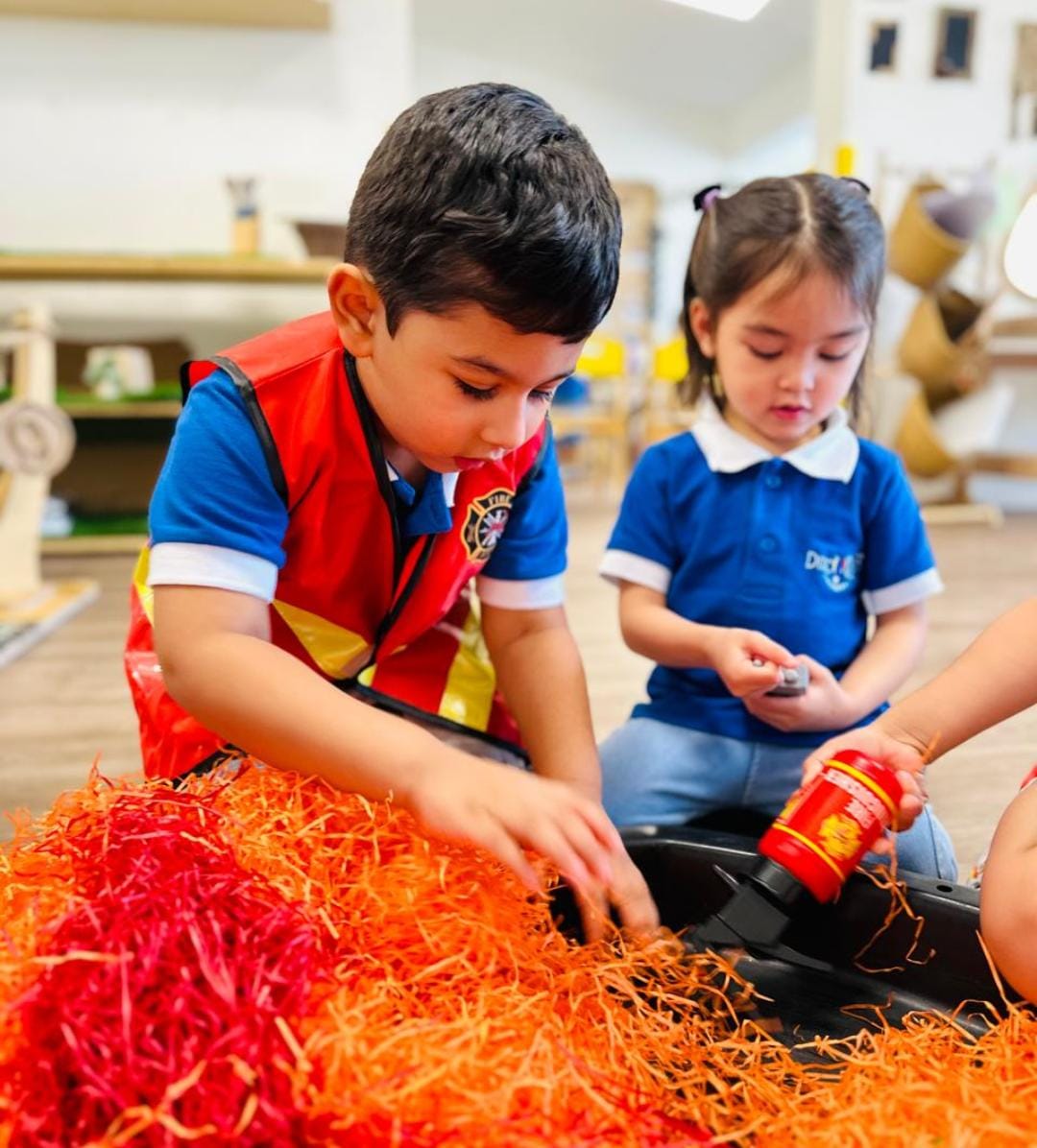
Is a Reggio-Inspired Nursery Right for Your Child?
Every child and family is different, and no single educational philosophy is right for everyone.
A Reggio-inspired approach may particularly appeal to families who value:
Meaningful relationships between children and educators
Child-led exploration within an intentional learning environment
Creativity and open-ended experiences
Respect for children's ideas and individuality
Learning through play, investigation and discovery
Strong communication between families and educators
A focus on the process of learning rather than simply the finished product
The most important thing is to look beyond the label.
If you are considering a Reggio-inspired nursery in Abu Dhabi, ask how the philosophy actually appears in everyday practice.
How do educators observe children?
How are children's interests used to shape experiences?
What opportunities do children have to make choices?
How are families involved?
What does the environment encourage children to do?
These questions can tell you much more than a label alone.
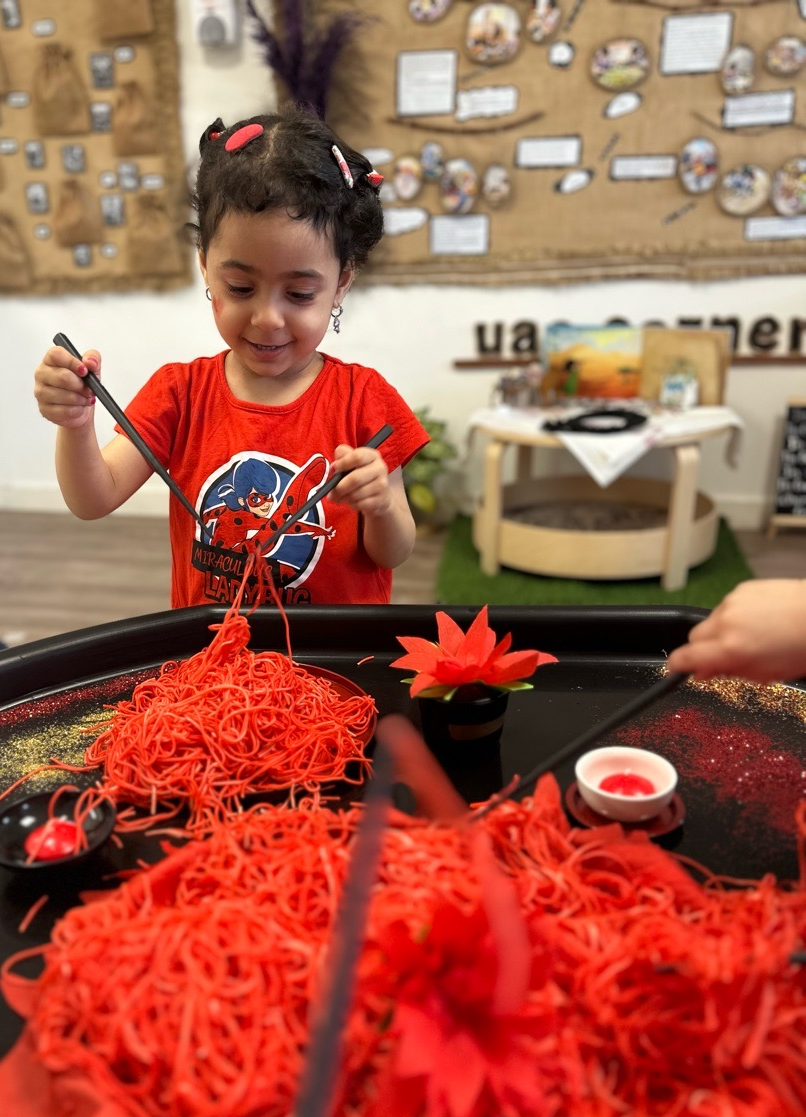
Frequently Asked Questions About the Reggio Emilia Approach
1.What age is the Reggio Emilia Approach suitable for?
The Reggio Emilia educational experience includes early childhood education, and its principles can be highly relevant from infancy onwards. At 0–4 years, children are already communicating, exploring, forming relationships and developing ways of understanding the world.
2.Is Reggio Emilia suitable for babies and toddlers?
Yes. Reggio-inspired practice can recognise babies and toddlers as capable communicators and active participants in their learning. Sensory exploration, movement, repetition, relationships and everyday discoveries can all provide meaningful learning experiences.
3.What is the “hundred languages” concept?
The “hundred languages” is a metaphor for the many ways children communicate, think and express themselves. These can include movement, drawing, construction, music, dramatic play, gestures, words, materials and many other forms of expression.
4.Is Reggio Emilia the same as Montessori?
No. Reggio Emilia and Montessori are different educational approaches, although they share some values, including respect for children and recognition of children's independence. Their views of curriculum, materials, the learning environment and the educator's role differ in important ways.
5.What is a Reggio-inspired nursery?
A Reggio-inspired nursery draws on principles associated with the Reggio Emilia educational experience, such as viewing children as capable learners, observing and documenting learning, providing open-ended experiences, valuing relationships and designing environments that encourage exploration.
6.How does Reggio Emilia encourage creativity?
It gives children opportunities to experiment, make choices, use materials in different ways, revisit ideas and find multiple solutions to problems. Creativity is viewed as a way of thinking and communicating, rather than simply producing artwork.
7.How can Reggio Emilia support confidence?
Children can develop confidence when they experience themselves as capable contributors. Being listened to, making choices, expressing ideas, working through challenges and having their thinking taken seriously can all contribute to a growing sense of agency.
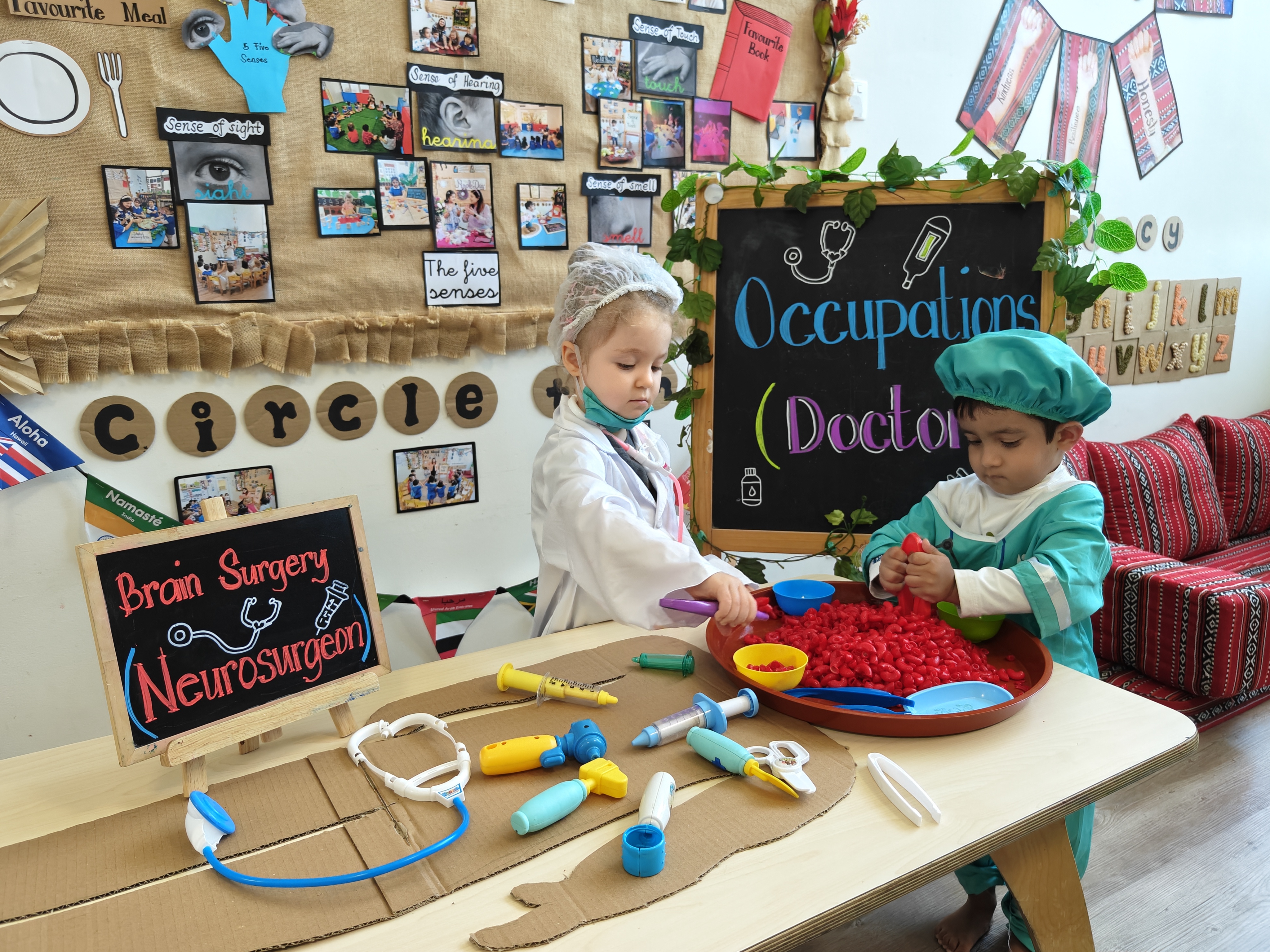
A Different Way of Seeing the Child
The Reggio Emilia Approach begins with an image of the child as capable, curious and full of potential.
Children do not need to wait until they are older to become learners.
They already are.
From their earliest days, they are observing, communicating, forming relationships, testing ideas and making sense of the world.
For Ms Dilshad, visiting Reggio Emilia was an opportunity to see what early childhood education can look like when those capabilities are taken seriously.
It became an important inspiration for Discovery Nursery in Abu Dhabi and continues to influence the way we think about our youngest children.
At its heart, this approach asks adults to slow down enough to notice.
To listen before answering.
To observe before assuming.
To create environments that invite curiosity.
And to give children opportunities to discover that their ideas are worth exploring.
Because sometimes confidence begins with something very simple:
“I have an idea.”
And creativity begins when a child is given the freedom to ask:
“What happens if I try?”
If you would like to experience our approach for yourself, we warmly welcome families to visit Discovery Nursery in Abu Dhabi and see how our children explore, communicate, create and grow each day.


